Christmas Orca with Gifts Design Review
As a designer who spends half my life staring at stitch charts and the other half worrying about whether a customer will actually wear what they bought, I don’t just look for "cute." I look for viability. I look for designs that hold up in the hoop, translate well to fabric, and tell a story without looking cluttered when stitched out. That is exactly why I pulled Christmas Orca with Gifts Design into my testing queue this season. It sits squarely in the Illustrations category, but its potential extends far beyond simple decoration. It has the makings of a strong seasonal asset for craft businesses, personal projects, and boutique branding.
First Impressions: Mood and Visual Personality
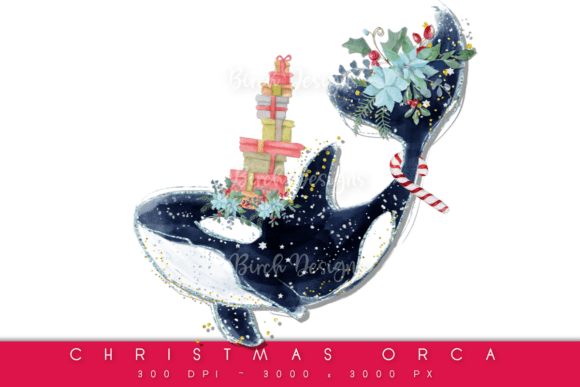
The moment you load the file, the personality of this design hits you. Orcas are inherently majestic creatures, often associated with the deep ocean and power, but here, wrapped in the context of holiday gifting, it creates a delightful juxtaposition. The mood is playful yet sophisticated. It avoids the overly saccharine or cartoonish trap that plagues many winter-themed embroidery files. Instead, it feels like a modern illustration that has been translated thoughtfully for textile application.
The layout centers on the whale, likely surrounded by gift elements that suggest generosity and celebration. For an embroidery project, this balance is crucial. If the details are too fine, they disappear in the thread. If they are too bold, they lose their charm. From a visual standpoint, this design strikes a confident middle ground. It promises a finished product that looks intentional and high-quality, which is essential for building customer trust in your handmade shop.
Real-World Application: Where This Design Shines
I believe in testing concepts against real-world scenarios before recommending them. So, let’s talk about where Christmas Orca with Gifts Design would actually perform best. Imagine preparing inventory for a local craft fair or refreshing your Etsy listings for Q4. This design is versatile enough to span multiple categories.
- Custom Apparel: On a heavy cotton sweatshirt or a structured t-shirt, the design would anchor well. The contrast between the soft knit fabric and the defined lines of the orca creates a tactile appeal. It works particularly well as a sweatshirt embroidery piece because the bulk of the garment can support the weight of the stitching without distorting.
- Baby Items: There is something undeniably sweet about a holiday orca for nursery decor or baby clothes. Think of a onesie for a winter baby shower or a blanket for a newborn. The theme fits perfectly into holiday embroidery collections. However, because it involves gifts and potentially smaller elements, you must ensure the scale is appropriate so it doesn’t overwhelm a tiny chest area.
- Home Goods: A tea towel or kitchen towel featuring this design is a practical gift item. The sturdy weave of these fabrics handles fill stitch areas beautifully. Similarly, a pillow cover or a decorative cushion could benefit from the whimsical nature of the design, adding a pop of character to a living room during the festive season.
- Accessories: For the Etsy seller looking for high-margin items, consider this for tote bags or aprons. A canvas tote bag offers a large, flat surface area, allowing the full detail of the illustration to breathe. An apron adds a touch of humor and warmth to the kitchen, making it a great personalized gift.
In all these cases, the design elevates the handmade product. It moves the item away from generic mass-produced goods and toward something that feels curated and special. When a buyer sees a unique, well-executed embroidered patch or custom apparel piece, they perceive higher value, which directly impacts your bottom line.
Technical Considerations and Stitch Clarity
While the artistic vision is strong, any experienced designer knows that art meets engineering in the hoop. Here is how Christmas Orca with Gifts Design might behave depending on your setup.
The use of different stitch types is critical here. You will likely see a mix of satin stitch for outlines and key features, providing clean edges, and fill stitch for the body of the orca and the wrapping paper textures. The density of these stitches needs to be balanced. If the fill is too dense, the fabric may pucker, especially on lighter materials. If it is too sparse, the base fabric might show through, ruining the illusion of the illustration.
Pay close attention to the thread colors. Orcas are naturally black and white, but the "gifts" element introduces color. Ensure there is sufficient contrast between the dark fur of the whale and the background fabric. On dark fabrics, you will need a robust underlay or a lighter base layer to make the design pop. Conversely, on light fabrics, the black elements will stand out sharply, which is generally desirable for clarity.
Also, consider the stitch density in the smaller gift boxes or bows. If these elements are rendered with intricate running stitch details, they might become muddy if the hoop size is too small. Always check the hoop size requirements before committing to a production run. A design that looks crisp on screen can lose its definition if forced into a 4x4 inch hoop when it was meant for a larger format.
Where to Use Caution
No design is perfect for every situation. There are specific contexts where you should pause and evaluate carefully.
- Small Hoop Sizes: Avoid attempting this on very small surfaces like cap fronts or tiny baby booties unless you have verified the scaled-down version. Tiny lettering or small gift tags within the design may become illegible.
- Textured Fabrics: While linen or burlap can add rustic charm, they can also hide fine details. The irregular weave might distort the smooth curves of the orca’s body.
- Stretchy Fabrics: Knits like jersey require careful stabilization. Without proper stabilizer support, the tension of the embroidery threads can cause the fabric to warp, leading to a misshapen final product.
- Frequent Washing: If you are creating items for children or kitchen use, remember that embroidery can wear over time. Dense stitch areas are more prone to snagging. Advise customers on gentle washing cycles to preserve the integrity of the finished product.
Practical Designer Notes for Success
Before you start churning out units for your craft business, follow these steps to ensure professional results.
- Test on Scrap Fabric: Never go straight to the final material. Stitch the design on a scrap of the same fabric type to check for puckering, thread breakage, or color clashes.
- Review in Black and White: Convert your digital mockup to grayscale. This helps you assess the contrast and visual balance without the distraction of color. If the shapes merge together in black and white, they will likely do so in person.
- Check Licensing: As a commercial embroidery user, you must confirm the licensing terms. Does the purchase allow you to sell finished items? Are there restrictions on the number of units? Clarify this before listing on platforms like Etsy.
- Use Proper Stabilizer: Match your stabilizer to your fabric weight. Cut-away stabilizers are generally safer for stretchy or heavy fabrics, while tear-away might suffice for stable wovens.
- Inspect Small Details: Zoom in on the digital file. Are the gift ribbons distinct? Is the eye of the orca clear? These small touches define the quality of the design assets.
Ultimately, Christmas Orca with Gifts Design is a charming addition to any seasonal library. It offers a fresh take on holiday motifs that appeals to both kids and adults. By paying attention to the technical execution—choosing the right fabric, stabilizer, and hoop size—you can transform this digital file into a tangible, beloved personalized gift that stands out in a crowded market. Whether you are a hobbyist making one-off presents or a small shop owner scaling up for the holidays, this design provides a solid foundation for creative success.