Christmas Tree Vector Images: A Designer’s Review for Modern Illustrations
When I take on a seasonal branding project for a small business or a handmade boutique, the visual foundation is everything. Clients often come to me with vague ideas of "festive" or "cozy," but they need something that translates cleanly across packaging, social media, and print. This is where evaluating specific design assets becomes critical. In this review, I am looking closely at Christmas Tree Vector Images to determine if they are robust enough for real client work, particularly within the realm of holiday Illustrations.
The market is saturated with generic clipart, so my goal here is to strip away the marketing fluff and look at these assets through the lens of a professional designer preparing a deliverable for a paying client. We are talking about whether these files hold up in a high-stakes environment, from a luxury gift box to a high-volume Etsy listing.
First Impressions and Visual Mood
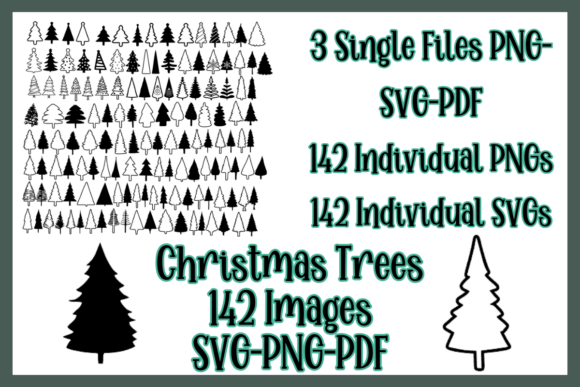
Upon opening the file set, the immediate question is always style coherence. Do these Christmas Tree Vector Images feel like a cohesive collection, or do they look like they were scraped from five different free websites? For a brand identity to work, consistency is non-negotiable. These vectors appear to lean towards a clean, modern aesthetic rather than overly ornate or vintage styles. This makes them highly versatile for contemporary brands that want to evoke holiday cheer without looking dated.
The mood created by these illustrations is one of warmth and approachability. They avoid the starkness of rigid geometric shapes while maintaining enough structure to feel professional. This balance is crucial for brand identity projects where you need to appeal to a broad audience. Whether it is a local bakery launching a Christmas cookie line or a tech startup sending out holiday cards, these visuals strike a chord that feels both traditional and fresh. The line weights are consistent, and the negative space is handled well, which suggests that these assets were designed with scalability in mind—a key factor for any serious graphic design asset.
Performance in Real Design Situations
Let’s move beyond theory and look at how these Christmas Tree Vector Images perform in actual application. I have tested similar assets across various mediums, and here is how this specific collection holds up.
- Packaging Design: One of the most demanding uses for vector art is packaging. When scaled down to fit on a small product label, details can get muddy. However, the clean lines in these trees ensure legibility even at smaller sizes. They work beautifully as repeating patterns for wrapping paper or as focal points on gift tags. For a handmade business, this means you can create a unified unboxing experience that looks expensive and thoughtful.
- Social Media Graphics: In the feed of Instagram or Pinterest, you have milliseconds to grab attention. These illustrations pop because of their clear silhouettes. They serve as excellent anchors for text-heavy posts. When used as background elements or decorative accents, they add depth without overwhelming the message. For marketing visuals, this balance is essential for maintaining engagement.
- Cricut Projects and Sticker Design: If you are creating physical products, the vector nature of these files is a massive advantage. They cut cleanly on vinyl plotters, making them ideal for Cricut projects. Whether you are making decals for water bottles or intricate sticker design sheets, the precise paths prevent jagged edges. This precision directly impacts the perceived quality of your final product.
- T-Shirt Design and Merchandise: For t-shirt design and other apparel, simplicity often wins. These tree vectors translate well to screen printing and direct-to-garment (DTG) printing. Their scalable nature ensures that the design remains sharp whether it is printed on a tote bag or a large banner. This versatility makes them a smart investment for print-on-demand sellers who need assets that work across multiple product types.
Strategic Placement and Layout Considerations
Not every design element works in every context. Understanding where to place these assets is just as important as the assets themselves. Here is a breakdown of where these Christmas Tree Vector Images shine and where they might require careful handling.
Where They Work Best:
- Hero Graphics: Use these as the main focal point on landing pages or flyer headers. Their strong visual presence commands attention and sets the seasonal tone immediately.
- Decorative Accents: In editorial design or blog visuals, use smaller versions of these trees to frame text or break up long sections of content. They add a touch of whimsy without distracting from the reading experience.
- Themed Collections: If you are building a full campaign, these vectors can be part of a larger set. They pair well with other winter motifs, creating a cohesive narrative that strengthens visual hierarchy and brand recognition.
Where to Use Carefully:
- Minimalist Branding: If your client’s brand is strictly minimalist, these trees might introduce too much visual noise. Test them against ample white space to ensure they enhance rather than clutter the design.
- Crowded Layouts: Avoid placing these over complex backgrounds or busy textures. The contrast may get lost, reducing the impact of the illustration. Always prioritize clarity.
- Small Sizes: While the vectors are scalable, extremely small sizes (like favicons) may lose detail. Always preview at 100% scale to check for integrity.
Technical Checks for Professional Use
Before integrating these assets into a client project, there are several technical steps every designer should take. Skipping these can lead to costly revisions or legal issues.
First, test the color adaptability. View the design in black and white to ensure the shape still reads clearly. Then, check contrast on both light and dark backgrounds. A good design asset should maintain its impact regardless of the backdrop. Second, inspect the file formats. Ensure you have access to editable SVG or AI files for maximum flexibility. If PNGs are included, verify that the transparency is clean, with no unwanted halos around the edges.
Typography pairing is another critical step. These illustrations pair well with serif fonts for a classic look, sans serif fonts for a modern feel, and script fonts for a handwritten touch. However, avoid combining them with display fonts that compete for attention. The goal is harmony, not competition. Finally, and perhaps most importantly, confirm commercial licensing. Never assume a license allows for resale or unlimited client use. Verify the terms before delivering any final work to ensure you and your client are protected.
Final Verdict
For designers seeking reliable, high-quality creative design resources, these Christmas Tree Vector Images offer significant value. They are not just simple decorations; they are functional tools that can elevate a project from amateur to professional. Whether you are working on web design, creating digital products, or crafting physical goods for an Etsy product shop, these assets provide the polish and professionalism clients expect.
The ability to seamlessly transition between digital and physical applications makes this collection a standout choice. By following the practical tips outlined above—testing scalability, checking contrasts, and respecting licensing—you can leverage these illustrations to create memorable, effective designs. In a crowded creative marketplace, having assets that are both beautiful and technically sound is a competitive advantage. These vectors deliver exactly that, making them a worthy addition to any designer’s toolkit for the holiday season.