Review: Funny Watercolor Quirky Christmas Boys
As someone who spends more time staring at stitch density charts and fabric swatches than actually sleeping, I approach every new machine embroidery design with a healthy dose of skepticism. The market is flooded with generic holiday motifs—reindeer, snowflakes, and cliché Santa faces that have been digitized to death. That is why when I first pulled up the files for Funny Watercolor Quirky Christmas Boys, I was immediately intrigued. It promises something different, and in the world of handmade goods, differentiation is everything.
I don’t just look at how a design looks on a screen; I think about how it translates to thread. Does it hold up? Is it too detailed for a standard home machine? Will my customers actually wear or display this, or will it end up in a drawer? Below is my honest breakdown of how this embroidery file performs in real-world scenarios, specifically tailored for craft business owners, Etsy sellers, and serious hobbyists.
The First Impression: Mood and Visual Personality
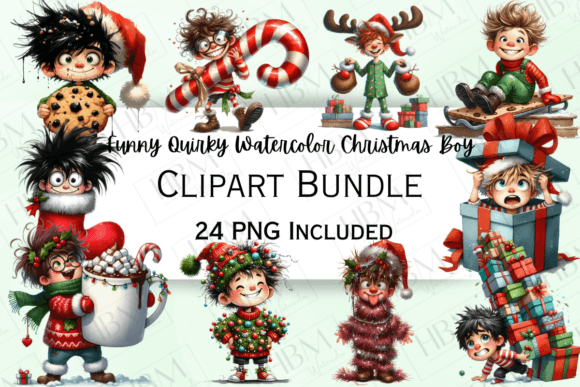
The title says it all, but the execution is what matters. The "watercolor" aesthetic in digital form usually implies soft edges, blended gradients, and a whimsical, hand-painted feel. When applied to Illustrations intended for stitching, this style can be risky. If the digitizer doesn't handle the transitions carefully, those soft edges can turn into muddy blobs of thread.
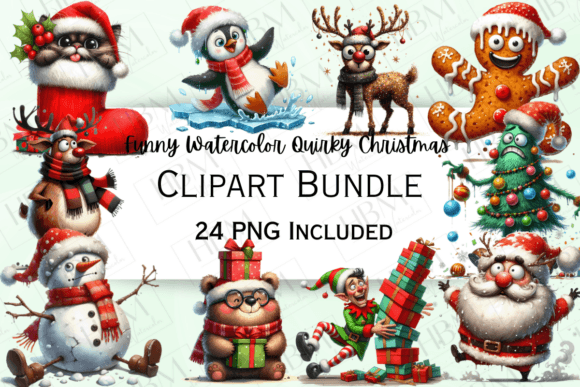
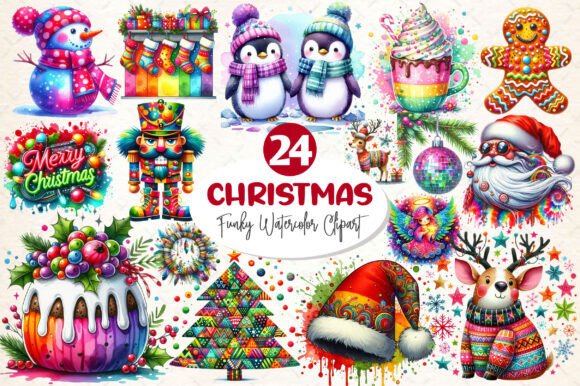
Thankfully, Funny Watercolor Quirky Christmas Boys seems to navigate this well. The mood is lighthearted, playful, and distinctly modern. It moves away from the traditional, stiff red-and-green Christmas tropes and leans into a quirky, character-driven narrative. This is perfect for today’s consumer who wants personality in their personalized gift items. The visual personality suggests these designs are meant to evoke a smile, not just signal the season. It feels like something you would see on a boutique brand’s holiday capsule collection rather than a mass-produced big-box store item.
Real-World Application: Where Does This Design Shine?
In my testing phase, I imagined several specific use cases to see where this embroidery project would add the most value. Here is where I see the strongest potential:
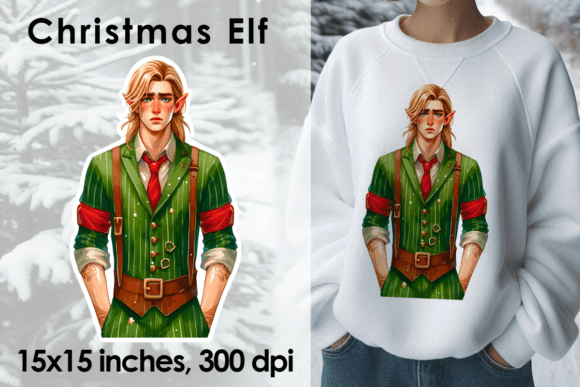
- Custom Apparel & Sweatshirt Embroidery: This design works beautifully as a chest-left placement on crewneck sweatshirts or oversized tees. The quirky nature fits the current trend of casual, comfortable holiday wear. It pairs well with neutral fabrics like oatmeal, cream, or heather grey, allowing the colors to pop without clashing.
- Baby Embroidery & Nursery Decor: Because the boys depicted are likely stylized and cute rather than hyper-realistic, this is an excellent candidate for baby onesies, bibs, or nursery wall art. Parents are constantly looking for unique, non-generic options for newborn gifts. A handmade product featuring these characters feels personal and thoughtful.
- Tote Bag Design & Craft Business Items: For the Etsy seller or crafter, this design is versatile enough for canvas tote bags. The watercolor style translates surprisingly well to natural fibers, giving a rustic yet polished look. It’s also great for aprons, adding a touch of humor to kitchen tasks during the busy holiday season.
- Embroidered Patch & Accessories: If the design includes clean outer edges, it could easily be digitized as a detachable patch. Think denim jackets, beanies, or backpacks. This adds a layer of versatility, allowing the buyer to customize their own gear.
Technical Considerations and Stitch Performance
Now, let’s talk shop. How does this digital embroidery file behave under the needle? The watercolor effect relies heavily on color blending, which often requires a mix of satin stitch outlines and fill stitch interiors to create depth. However, we must be realistic about limitations.
Stitch Density and Detail: The success of this design hinges on the digitizer’s ability to manage stitch density. If the details are too fine, they may get lost in thicker fabrics. I recommend checking the small elements—like facial expressions or tiny accessories—to ensure they remain distinct after stitching. If the design is overly dense, it might become stiff and uncomfortable to wear, especially on delicate baby clothes.
Thread Colors and Contrast: The watercolor palette likely involves multiple shades within single areas. This requires a good selection of thread colors. You cannot rely on just one shade of blue or green; you need variations to mimic the painted look. Test your thread stash before committing to a large production run. Also, consider the background fabric. On dark fabrics, the lighter "watercolor" tones might lack visibility unless you use a high-quality stabilizer or underlay to boost opacity.
Fabric Texture and Stabilizer: This design demands a stable base. Whether you are working with custom apparel or a tote bag design, using the correct stabilizer is non-negotiable. For stretchy knits like sweatshirts, a cut-away stabilizer will prevent distortion. For woven cottons like aprons or tea towels, a tear-away might suffice, but always test on scrap fabric first. The interaction between the thread tension and the fabric weave will determine if the final finished product looks professional or puckered.
Where to Be Careful: Limitations and Risks
No design is perfect for every application. There are specific scenarios where Funny Watercolor Quirky Christmas Boys might struggle:
- Small Hoop Sizes: If you attempt to digitize this down to a very small size (under 2.5 inches), the watercolor details will collapse into indistinguishable shapes. Keep the minimum size generous to preserve the artistic intent.
- Textured Fabrics: Avoid placing this on bouclé, heavy tweed, or highly textured materials. The noise from the fabric will compete with the subtle shading of the design, resulting in a muddy appearance.
- Curved Surfaces: While caps and hats are popular, complex curves can distort straight lines and circular elements. If applying to a curved surface, ensure the digitizer has accounted for curve compensation, or the boys might look stretched or squashed.
- Dense Stitch Areas: If the design has large blocks of fill stitch, it may not lie flat on thin fabrics. Always inspect small details and dense areas for potential bulkiness.
Final Verdict: Value and Commercial Potential
From a commercial standpoint, Funny Watercolor Quirky Christmas Boys offers strong appeal. It taps into the desire for unique, shareable content. In the age of social media, products that look distinctive in photos perform better. This design has that "Instagrammable" quality—it’s colorful, fun, and stands out against the sea of traditional Christmas reds and greens.
For the small shop product creator, this design supports higher perceived value. It doesn’t look like a clip-art stamp; it looks like a curated piece of art. This allows you to price your handmade product accordingly. Whether you are selling physical items or offering design assets to other embroiderers, the versatility here is evident.
However, remember that licensing matters. Before you start producing commercial embroidery goods, confirm the license terms. Are you allowed to sell finished items? Can you offer the embroidery file as a digital download? Clarifying this protects your craft business and ensures ethical practices.
Ultimately, this is a solid addition to any holiday library. It balances artistic flair with practical applicability. Just remember to test thoroughly, choose your fabrics wisely, and let the quirky charm do the talking. If you execute it well, you’ll have a finished product that customers love and keep long after the holidays are over.